

Our Approach to Sharing Lab Materials
ASAP requires grantees to share the RRID (Research Resource Identifier) for all lab materials used or generated in a study. This policy improves the replicability of ASAP-supported research and enables broader access to rigorously defined tools for the scientific community.
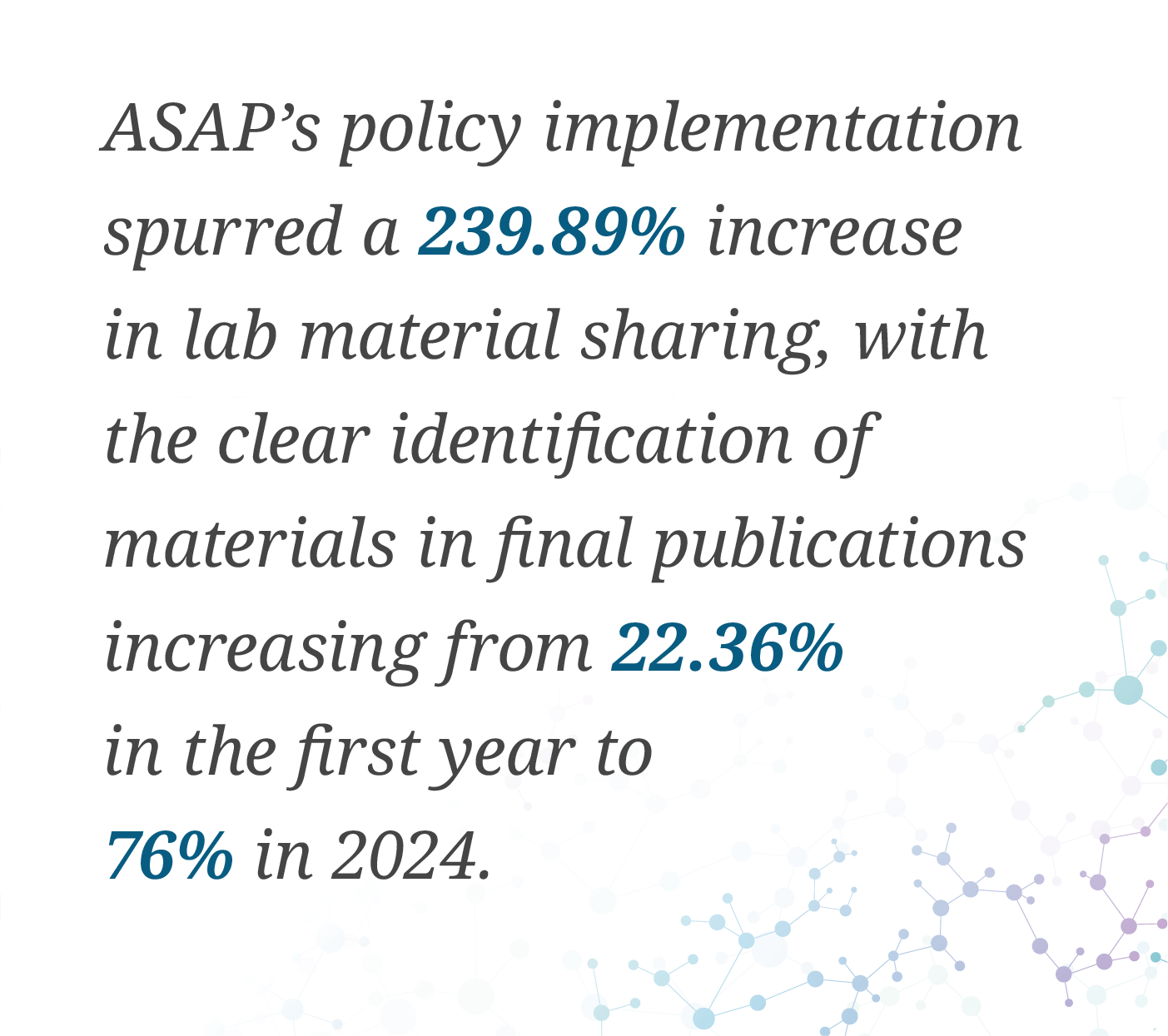
An assessment of sharing lab materials in ASAP-funded publications showed that the policy’s implementation resulted in an increase in the number of unambiguously identified lab materials at the time of publication.

iNDI-PD Cell Lines
ASAP is supporting iNDI-PD, an expansion to the original iPSC Neurodegenerative Disease Initiative (iNDI) and anchored within the NIH Center for Alzheimer’s and Related Dementias (CARD). This effort aims to make iPSC resources accessible to researchers studying Parkinson’s disease to discover novel insights into the molecular biology of disease and expand understanding of Parkinson's disease-relevant mutations.
iNDI-PD has introduced new cell lines associated with Parkinson’s disease variants into The Jackson Laboratory’s Human iPSC catalog. These publicly available trios allow researchers to attribute observed changes to specific mutations more quickly and confidently, filtering out the noise of unrelated genetic variation.

Parkinson’s Disease Rodent Models
Advancements in Parkinson’s disease research are dependent upon the development and utilization of robust preclinical models. The Parkinson’s Disease Alzforum database, which was created in collaboration with The Michael J. Fox Foundation for Parkinson’s Research and is supported by ASAP, catalogs information pertaining to specific Parkinson’s disease-related rodent models, providing insights into each model and enabling phenotype comparisons.

MJFF Sponsored Tools Program
The Michael J. Fox Foundation (MJFF) developed a Sponsored Tools Program, which enables researchers to generate, characterize, and/or distribute high-quality research tools and models for the community. ASAP teams, through partnership with MJFF, are able to utilize this resource to deposit a variety of tools including rodent models, cell lines, antibodies, viral vectors, and plasmids. For a list of ASAP-affiliated tools that have been made available through this program:

Parkinson’s Precision Medicine Initiative (PPMI) Biospecimens
A critical component of PPMI is the standardized, longitudinal collection of biospecimens. These include plasma, serum, blood, cerebrospinal fluid (CSF), DNA and RNA, and peripheral mononuclear blood cells (PBMCs).
PPMI samples are available for request only for biomarker verification studies.
Lab Materials in the ASAP Catalog
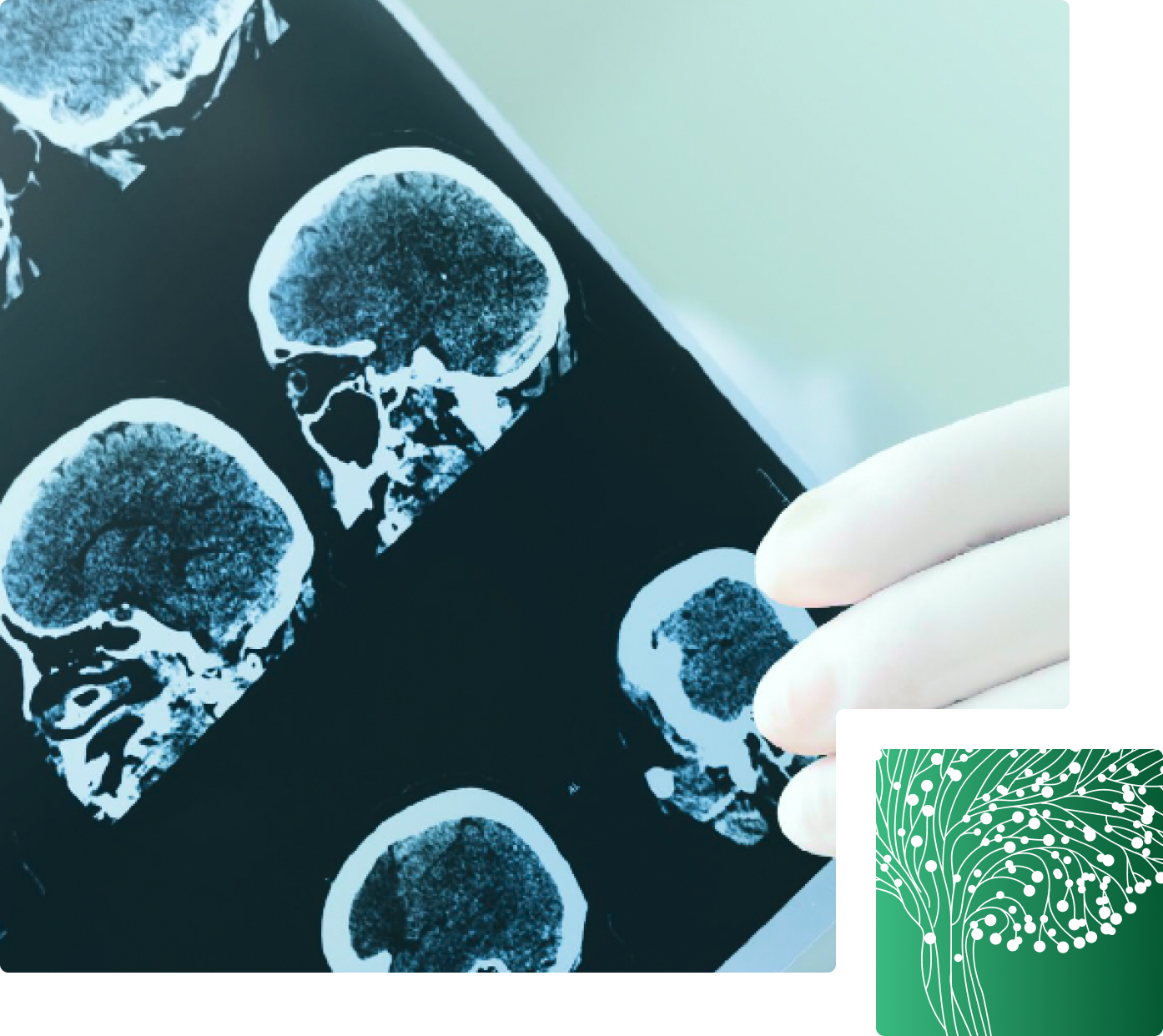
Our initiative is accelerating the pace of discovery for Parkinson’s disease through collaboration, research-enabling resources, and data sharing. View our Catalog of lab materials to explore what is available.
