
The Aligning Science Across Parkinson’s (ASAP) initiative aims to accelerate discoveries in Parkinson’s research through resource sharing and collaboration. A cornerstone of this mission is the CRN Cloud, launched in June 2024 as a dedicated platform designed to curate and harmonize complex biological ‘omics data. Through ASAP’s Collaborative Research Network (CRN), researchers have contributed massive multi-omic datasets, spanning transcriptomics, lipidomics, and proteomics across both animal models and human tissue samples.
When the CRN Cloud first launched, the platform included only human postmortem brain transcriptomic data. Now, two years later, the CRN Cloud continues to bolster the research community by expanding available data types, enabling integration with other existing datasets, and ensuring researchers know how to navigate the platform. To date, the CRN Cloud has amassed over 50 datasets, and it continues to expand to support the needs of Parkinson’s researchers. Read on to learn about our latest updates to the CRN Cloud!
Learn more about the data types and datasets available in the CRN Cloud or explore Box 1 below.
Interoperability in Action: Boosting Meta-Analysis with CRN Cloud, AMP® PDRD, and GP2
Overcoming Data Fragmentation
One barrier to accessing data and pursuing complex analyses is incompatibility across data sources. ASAP researchers analyze data across multiple programs, including the Global Parkinson’s Genetics Program (GP2) and Accelerating Medicines Partnership® Parkinson’s Disease and Related Disorders (AMP® PDRD). These programs both contribute rich genetic, transcriptomic, and highly detailed clinical information from patients with Parkinson’s disease, but these data are hosted on separate platforms. This format presents challenges for researchers seeking to conduct analyses across data types or input sources, as additional background knowledge and multiple extra steps are required to integrate and harmonize disparate data types.
Enabling Data Harmonization
To streamline data harmonization across ASAP and beyond, CRN Cloud now leverages Verily Workbench, which enables researchers to analyze datasets from CRN Cloud, GP2, and AMP® PDRD in a single workspace. This integration reduces the friction of working across multiple platforms, making it easier to conduct cross-cohort analyses and parse complementary data types. Researchers can now integrate any CRN ‘omics dataset with clinically phenotyped cohort data from AMP® PDRD, enabling rich potential for multi-modal analyses.
Need help? You can now leverage this interoperability through a step-by-step co-analysis guide with detailed setup instructions.
Tool Spotlight: Partners in Proteomics
As the CRN Cloud continues to expand its dataset diversity, there is a growing need for new tools to facilitate accessibility. CURTAIN, an online tool distinct from CRN Cloud, was created by members of CRN Team Alessi to support mass spectrometry-based proteomics data sharing and analysis. This collaboration highlights how CRN-supported efforts can extend beyond data generation to include the development of tools that enhance how data are explored, shared, and reused by the broader research community.
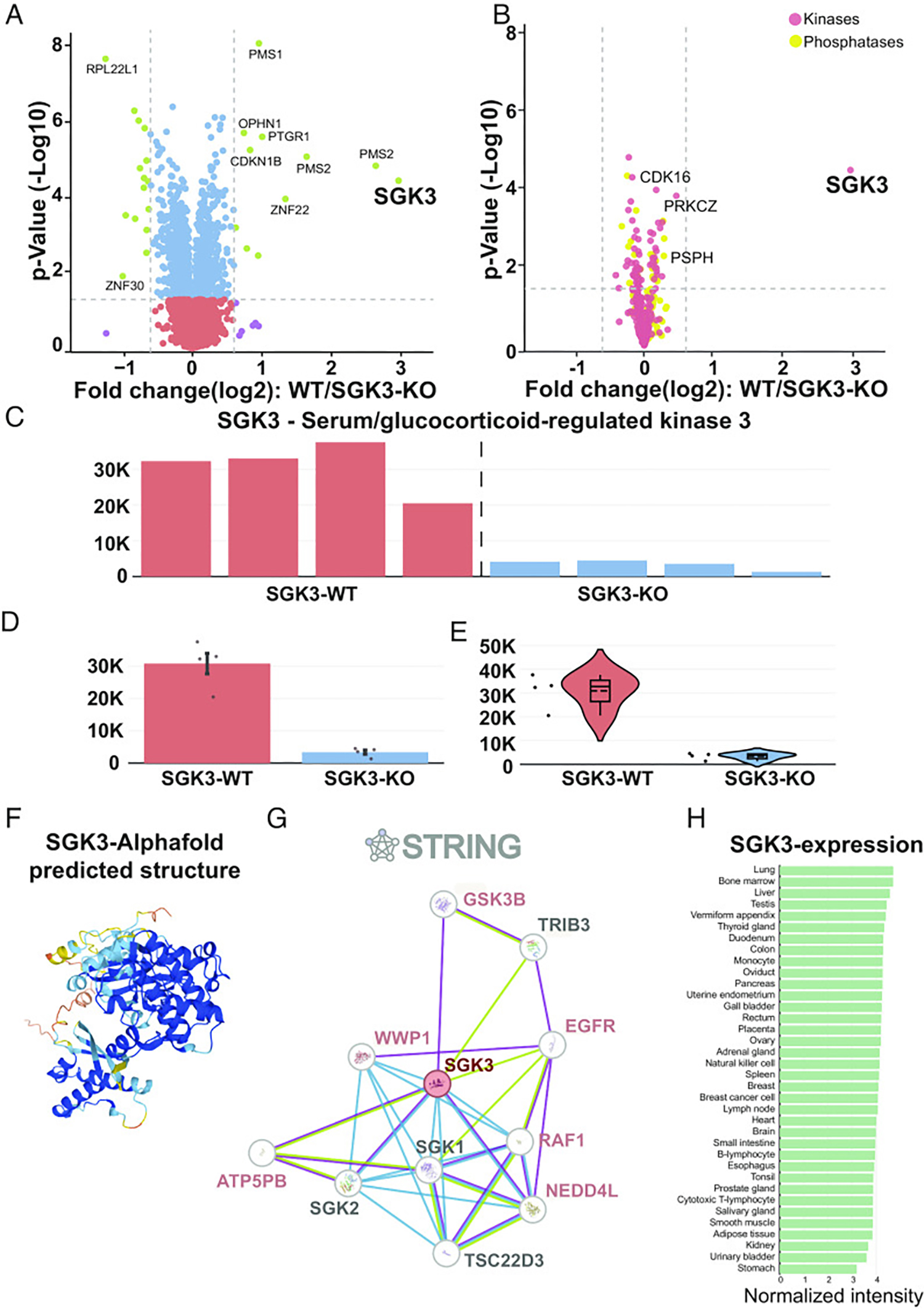
Fig. 2. Functionalities of the CURTAIN tool. Click the image to expand.
What’s different about CURTAIN?
CURTAIN is designed to enable researchers without an extensive background in mass spectrometry to unpack proteomic volcano plots and better understand the underlying measurements. Data can be deconvoluted using CURTAIN and visualized in other plot types, helping researchers become more comfortable with processing proteomic data.
Accessing CURTAIN
CURTAIN is free to use and open source, enabling researchers within the CRN and broader research community to share and maximize the impact of their proteomics data. CRN Cloud supports CURTAIN for navigating proteomics data by establishing proteomics datasets within the tool. Users can access these through an associated CURTAIN link established within each proteomics dataset collection card on CRN Cloud.
Need help? Check out this series of video tutorials to help users navigate the tool.
Exploring the CRN Cloud
To learn more about the CRN Cloud, browse the CRN Cloud page on the ASAP website, the CRN Cloud User Manual, and data release notes, which are updated regularly. For help navigating the CRN Cloud, check out our new training videos available on the ASAP YouTube channel. Whether you are new to the platform or looking for a quick refresher, these materials are designed to lower the barrier to entry and help users more quickly understand how to find, access, and leverage CRN Cloud data for their research.
Box 1. CRN Cloud Data Availability
While the initial release of CRN Cloud focused on human postmortem brain transcriptomic data, the Cloud has grown to support all ‘omics data generated by the CRN. The repository now includes, transcriptomics, spatial transcriptomics, genetics, proteomics, metagenomics, lipidomics, and metabolomics datasets from human tissue (brain, gastrointestinal), mouse tissue (brain, liver, lung, kidney), cell lines (hESCs, hPSCs), and plasma, fecal samples, and embryonic fibroblasts from mice. The following table represents the data available as of the v5.0 release in June 2026.