




ASAP researchers continue to focus on characterizing the complex genetic landscape of Parkinson’s disease.
- Assessing Parkinson’s genetics across diverse ancestries: Most of what we know about Parkinson’s disease genetics comes from studying people of European ancestry. To address this gap, the GP2 program has been generating genetic data from thousands of people worldwide, with a focus on including diverse ancestries. In this study, researchers conducted the largest multi-ancestry genetic study of Parkinson’s disease to date, in order to assess whether what we know about Parkinson’s from European ancestry applies to other populations, and generated genetic landscape overviews per ancestry. (GP2 | View Publication | View Video Highlight)
- GCH1 genetic variation as a predictor of disease progression across populations: Pathogenic variants in GCH1 have been associated with Parkinson’s disease, but the impact of these variants on the course of the disease has not been fully understood and has not been studied on a global scale. Assessment of GCH1 variants in the GP2 cohort revealed clinically distinct phenotypes that were characterized by earlier disease onset and slower progression of motor complications, suggesting that these variants could act as predictors of disease progression in Parkinson’s. (GP2 | View Preprint)
- Development of a new tool to identify cell-type-specific genetic variants: Somatic mutations arise throughout life, with their functional consequences tied to the specific cell populations in which they occur. Genome-wide studies measure somatic variations in bulk tissue, whereas single-cell approaches resolve cell identity but provide limited sensitivity for complex alleles. SniffCell is a new pipeline that can identify somatic variants at the cell-type resolution, which could help resolve how these variants impact Parkinson’s risk and inform on underlying biology. (CRN | Team Voet | View Preprint)
ASAP-funded researchers are focused on mapping the trajectory of disease progression before motor symptoms emerge.
- Evaluation of cognitive performance in early-stage neuronal ɑ-synuclein disease (NSD): Using PPMI baseline data, this study examined cognition in people with very early-stage neuronal α-synuclein disease (NSD): individuals with a positive cerebrospinal fluid (CSF) α-synuclein seed amplification assay and reduced sense of smell, but no motor disability. Although standard screening scores were normal, a sensitive composite cognitive score detected subtle deficits relative to healthy controls. These deficits were driven by people who also had dopamine deficits on DaTscan or REM sleep behavior disorder, whereas those with smell loss alone and normal dopamine imaging performed normally. The findings support assessing cognition at every stage of synuclein disease and including it as an outcome in early-stage trials. (Team PPMI | View Publication)
- A potential link between Parkinson’s disease and health variables: Patients with Parkinson’s experience varying levels of comorbidities, environmental exposures, and medications. Clinical characterization of patients with Parkinson’s disease revealed novel associations between variables, including medical history, medication use history, environmental exposures, etc., and Parkinson’s disease, providing potential insights into disease risk and converging biology. (CRN | Team Scherzer | View Publication)
CRN teams are mapping organelle-wide proteomic landscapes and resolving the structural machinery governing autophagy initiation.
- Identifying features of autophagy: Autophagy is a cellular process that clears waste from within a cell, and failures in this pathway have previously been proposed as factors leading to synuclein aggregation and clearance. ULK1 is a key protein complex involved in initiating autophagy. This study shows a stepwise pathway for recruitment of ULK1 to initiate autophagy. (CRN | Team Hurley | View Publication)
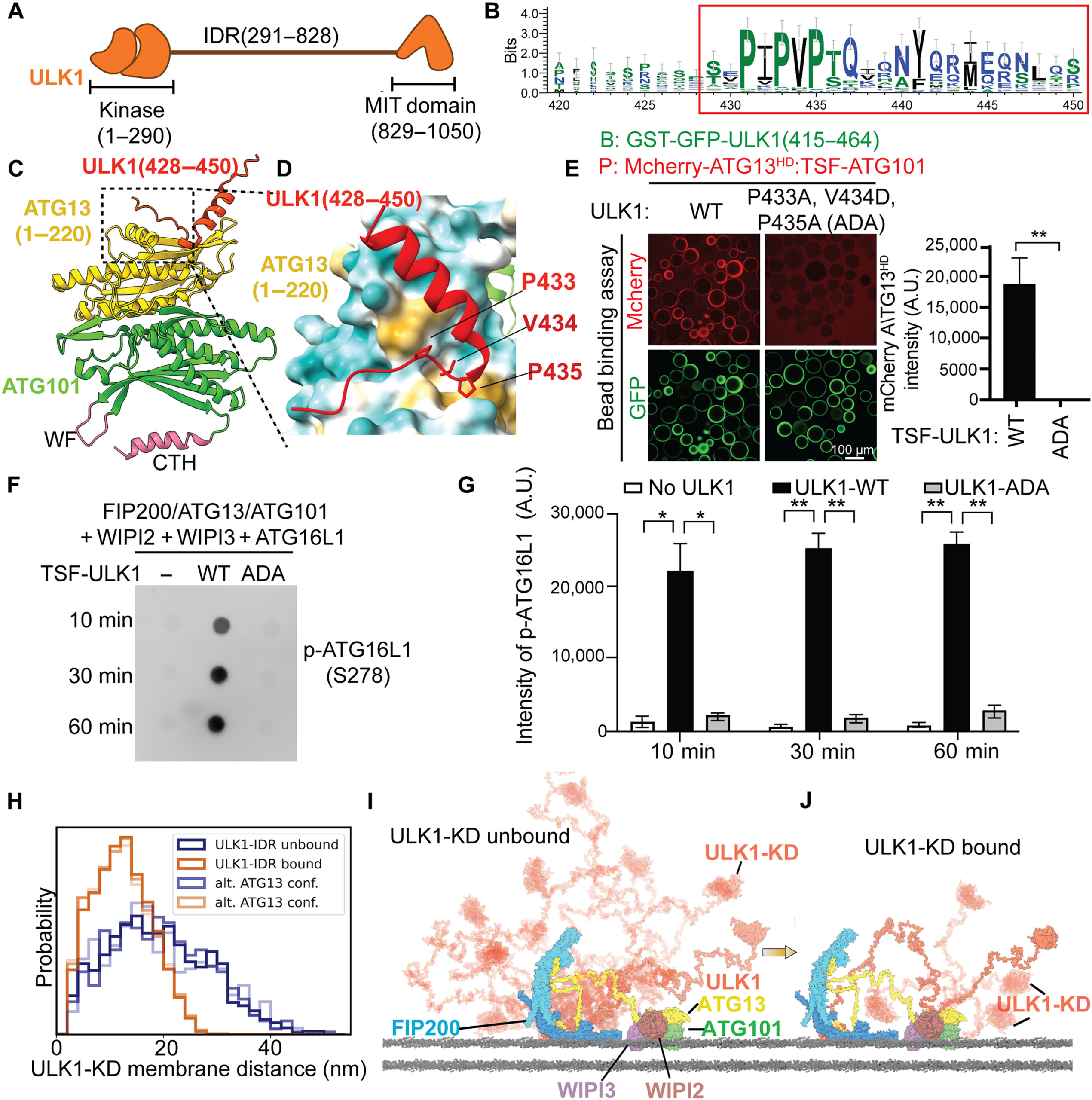 Team Hurley – Figure 5
- Development of a lysosomal storage disorder toolkit and pipeline to ascertain protein complex level insights: Lysosomal storage disorders (LSDs) are a group of disorders that result in defective glycoprotein and lipid breakdown in the lysosome, culminating in a wide range of clinical phenotypes, including neurodegeneration. The impact of LSD mutations on cellular function hasn’t been fully characterized. In this study, researchers created a stem cell toolkit targeting 23 genes linked to LSD, including key Parkinson’s disease genes such as GBA1. They developed a framework model to map alterations in specific protein complexes based on alterations in protein abundance. This framework can be applied to a variety of data types, enabling researchers to map alterations at the protein-complex level, rather than just at the organelle level. (CRN | Team Harper | View Publication)
ASAP investigators are investigating circuit-level adaptations across neuronal cell types and uncovering mechanisms of motor dysfunction.
- Role of astrocytes and dopamine signaling on neurons: Dopamine signals within the substantia nigra pars reticulata have been implicated in Parkinson’s disease motor deficits. In this study, researchers show that astrocytes act as a crucial mediator, helping to fine-tune motor behavior. (CRN | Team Surmeier | View Publication)
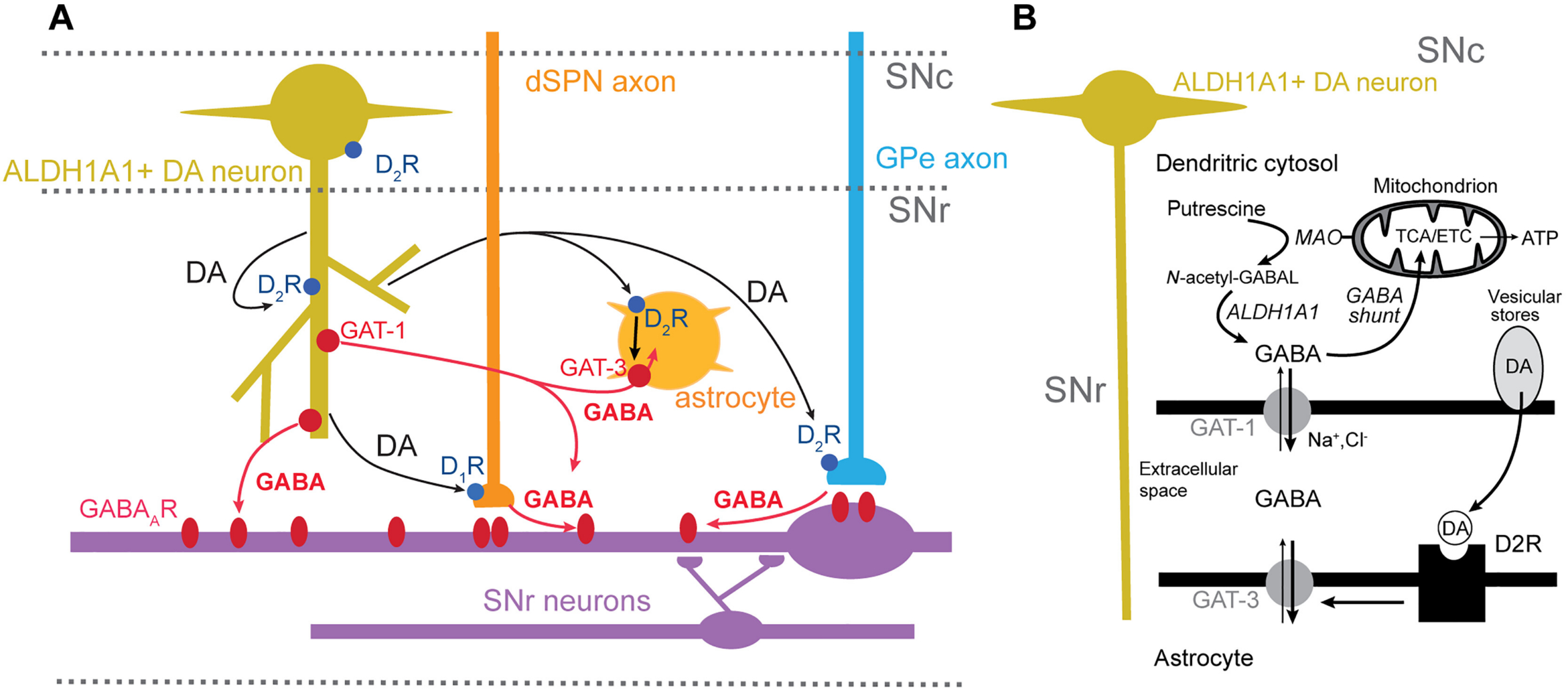 Team Surmeier Figure 8
- Impact of dopamine loss on the primary motor cortex: Parkinson’s disease motor symptoms have been associated with abnormal basal ganglia and thalamic activity within the primary motor cortex. Recent evidence suggests M1 neurons may contribute to parkinsonism in an age-dependent manner. In this study, ASAP researchers show that progressive dopamine loss in a Parkinson’s mouse model can cause maladaptive changes in the primary motor cortex. (CRN | Team Wichmann | View Preprint)
 Team Wichmann Figure 2

BLAAC PD hosted its annual meeting in July, bringing together study staff from across the United States to share new analyses, discuss current learnings, and ideate on what is possible for Parkinson’s research. (BLAAC PD | View Recap)

BLAAC PD Annual Meeting participants and study team members.
GP2’s Regional Investigators Meeting in Montevideo, Uruguay, brought together researchers from across Latin America to share insights and strengthen collaboration in Parkinson’s genetics research. The meeting also marked the 20th anniversary of the LARGE-PD consortium, which is now 73 sites strong. (GP2 | View Recap)

Attendees at the GP2 Regional Investigators Meeting in Uruguay listen to a presentation.
CRN Team Alessi hosted presentations by William Mobley, MD, PhD, from the University of California, San Diego, and Andres Leschziner, PhD, from Weill Cornell Medicine, advancing discussion of LRRK2 biology in Parkinson’s disease research. Dr. Mobley discussed the activation of LRRK2 on early endosomes, while Dr. Leschziner focused on mechanistic insights related to LRRK2 regulation. (See Upcoming Events)
ASAP sponsored several scientific meetings in Q3, including the Biennial International LRRK2 Meeting 2026, the GRC on Neurobiology of Brain Disorders, Monitoring Molecules in Neuroscience 2026, and the 2026 Grand Challenges in Parkinson’s Disease meeting, supporting scientific engagement and the exchange of new ideas.

GP2 announced its 12th data release this quarter, adding 21,156 genotyped participants and 25,046 whole-genome sequencing participants to the global Parkinson’s disease research resource. The release includes updates to data pipelines, clinical data, including lifestyle and environmental factors, genomic resources, and summary statistics to support researchers worldwide. (GP2 | Learn More)
Several antibodies were made commercially available this quarter.
- ATP13A2: High-quality antibodies to ATP13A2 that are sensitive enough for endogenous detection are lacking in the field. This antibody, designed for detection of mouse ATP13A2 and suitable for immunoblotting applications, will enable detection and quantification of ATP13A2 levels in mouse tissue and cell models for Parkinson’s disease research. (View the Antibodies)
- MHC-I: High-quality antibodies to various MHC-I antigens that work for immunostaining applications are lacking in the field. These antibodies, designed to detect mouse MHC-I H2-Kb (Example 1 and Example 2) and H2-Db and suitable for immunoblotting and immunocytochemistry applications, will enable detection, quantification, and visualization of MHC-I in mouse tissue and cell models for Parkinson’s disease research.
- Progranulin: High-quality antibodies to progranulin that are compatible with immunostaining and sensitive enough for endogenous detection are lacking in the field. This antibody, designed to detect human progranulin and suitable for immunoblotting, immunocytochemistry, immunohistochemistry, and immunoprecipitation applications, will enable detection, visualization, and quantification of progranulin in Parkinson’s disease research. (View the Antibodies)
Hundreds of models are available for Parkinson’s disease research, and successful selection of the most appropriate model used in an experiment is critical for high-quality, interpretable outcomes. The Alzforum Parkinson’s Disease Models Database is a useful tool that provides in-depth summaries and visual timelines of model phenotypes for commonly used genetically modified rodent models to assist with model selection. This quarter, the database expanded to feature 42 commonly used Parkinson’s disease genetically modified rodent models, with visual timelines of observed phenotypes and an in-depth review of the nuances associated with each model.
The Discover ASAP video series highlighted additional tools, datasets, and methods from across the ASAP community:

- Khaja Mohieddin Syed, PhD, a postdoctoral fellow on CRN Team Rio, discussed an isogenic single-cell transcriptomic atlas of 14 monogenic or high-risk Parkinson’s disease mutations, offering researchers a resource to compare mutation-specific and shared signatures in dopamine neurons.
- Korbin Kleczko, a graduate student on CRN Team Harper, highlighted Q-DOAS, a proximity-quenching assay that detects early protein aggregation in real time.
- Nolwazi Gcwensa, PhD, a former graduate student on CRN Team Biederer, discussed SynDOVE, a protocol for measuring synapse density or volume in brain slices using confocal microscopy and Imaris 3D surface rendering software.
This quarter, a SPARC impact story recognized ASAP and The Michael J. Fox Foundation for Parkinson’s Research as models for championing open science practices, highlighting the policies and ongoing commitment that help scientists share data, code, protocols, and other research outputs.
In Q3, CRN Cloud released version 5.1.0, adding 12 datasets and updating two data pipelines. Notable dataset additions included five human embryonic stem cell datasets spanning single-cell RNA sequencing, whole-genome sequencing, and targeted DNA sequencing, as well as two mouse gastrointestinal tissue single-cell RNA-sequencing datasets. The release also updated the mouse bulk and single-cell RNA-sequencing pipelines.

GP2 hosted a bioinformatics training workshop in Buenos Aires, Argentina, on August 19-20, bringing together 28 trainees from seven different countries. This workshop introduced family-based genetic analysis into the GP2 training program for the first time. (GP2 | View Blog)
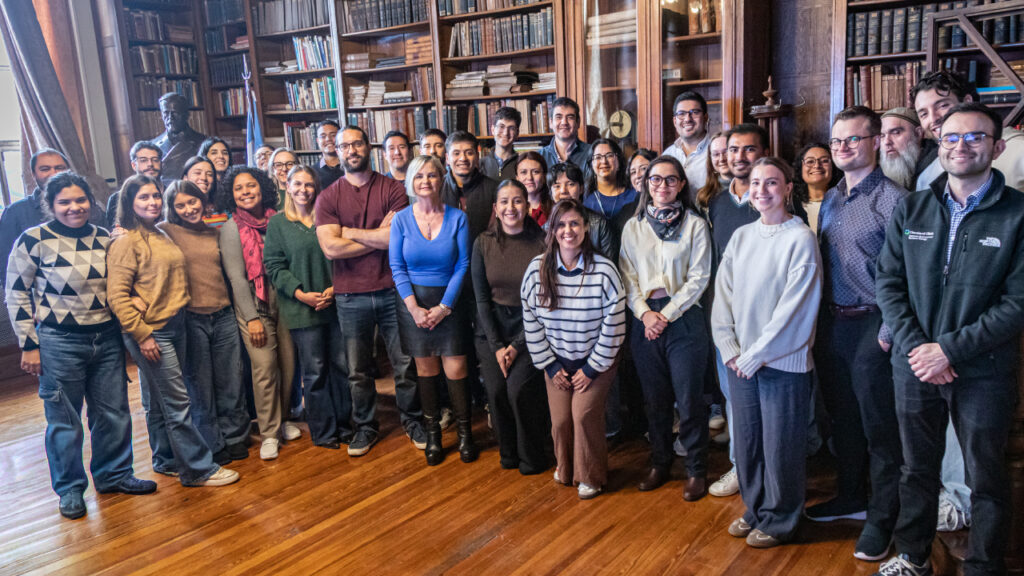
GP2 Bioinformatics Workshop in Buenos Aires, Argentina group photo.
The GP2 Visiting Scientist Program highlighted the value of cross-cultural research exchange through Beatriz Muñoz Ospina’s experience traveling from Colombia to London to study how social and cultural differences influence cognitive health across diverse populations. Her story reflects how international research opportunities can support professional development, broaden scientific perspectives, and strengthen collaboration across the global Parkinson’s research community. (GP2 | View Blog)

Beatriz Muñoz Ospina at the Wolfson Institute of Population Health.
